
DYNAMIC PRESSURE: WHY SPEED MATTERS

Dynamic pressure is one of the most important forces affecting a parachute during deployment:
q = ½ρV²
Where:
• q = dynamic pressure•
ρ = air density•
V = velocity
The critical detail is that velocity is squared. If speed doubles, dynamic pressure increases by approximately four times—assuming air density remains constant.
Using standard sea-level conditions:
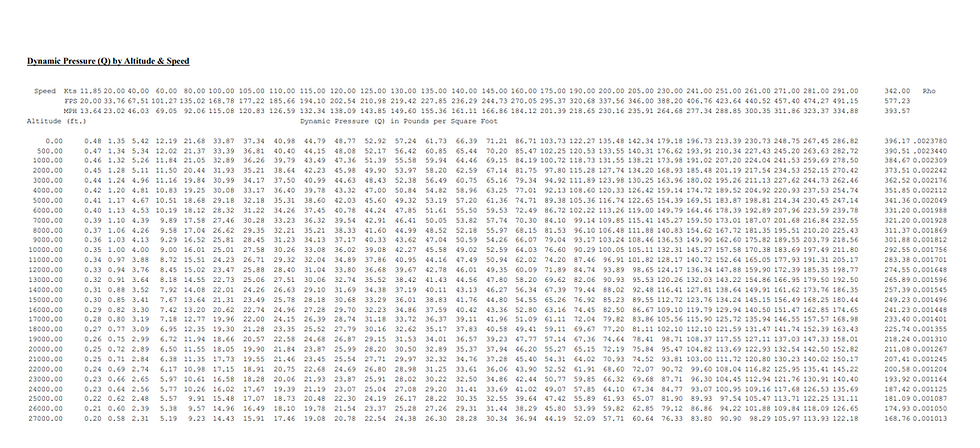
• At 120 knots, dynamic pressure is approximately 48.77 pounds per square foot.• At 200 knots, it increases to approximately 135.48 pounds per square foot.
Altitude also matters. As altitude increases, air density decreases, reducing dynamic pressure at the same true airspeed. However, dynamic pressure alone does not determine parachute opening forces. Canopy design, deployment sequence, reefing, packing configuration, suspended weight, body or payload orientation, and system geometry all influence the final result.
Whether developing a personnel parachute, cargo system, emergency bailout system, recovery parachute, or high-speed drogue, understanding dynamic pressure is essential to defining a safe operating envelope.
Discussion question: How often is deployment airspeed treated as a parachute-system limitation instead of only an aircraft or mission limitation?
Always follow the approved operating limitations and procedures established for the specific parachute system.


Comments